 Disasters aren’t disasters without images of people’s damaged belongings. After a flood, our screens scroll images of drowned livestock, crushed barns, mangled cars, crumpled roads and bridges. Earthquakes shear highways and splinter houses into junk piles with people trapped underneath. The awful feeling wouldn’t be there without us; it would just be an event.
Through our people-focused lens, the prairie is a vast nothingness. Farmsteads are few and far between down dirt roads that take the gloss off a car and wear on tires. Towns are small and spare, with trucks and trains roaring by. The wind seems endless sometimes, scouring uncertain settlers from homesteads. Ranch kids leave for something else and the population is declining. The people that remain are durable. They shoulder the weather and poor livestock prices without newsworthy anguish.
 The speeding automobile smears the landscape into a monotonous panorama stretching for hours. We grow stiff from sitting and it seems endless. But speed did not create this impression of the prairie. Even settlers who rumbled along in wagons or on foot didn’t see the complexity of the landscape. There seem to be more books about hard life than prairie songs on the shelves.
 Innocence is the culprit, aided by fear. Powered by animal or fuel, we travel the prairie as if in a foreign land. It looks different from our homes. The sky looms larger, with a hundred-mile view of circling weather and no hint what it means to us. Cacti lurk on the ground and rattlesnakes in the sage. The prairie has a different rhythm that enchants the curious or unnerves the timid.
 Each journey to dry country fills my eyes with the richness of seemingly barren land. This trip is my first as an artist to American Prairie Reserve. As a hiker, I experienced the wealth of life and that occupies that flat, apparently empty space. This time I examined the land as an artist seeking themes. I found a vast history underground as well as underfoot. I imagined the northeastern Montana prairie in three rich dimensions.
But first…..
A long drive comes before imagination takes over. I like these drives to separate from my daily life. This time, that regular life followed me down the road a way before falling back.
I traveled from First People’s Buffalo Jump toward American Prairie Reserve. I knew I wouldn’t make the whole drive in one day, having spent over half the day at the state park. I camped at James Kipp Recreation Area as a squatter in the empty float camp by the river, hoping that no rafting parties would show up.
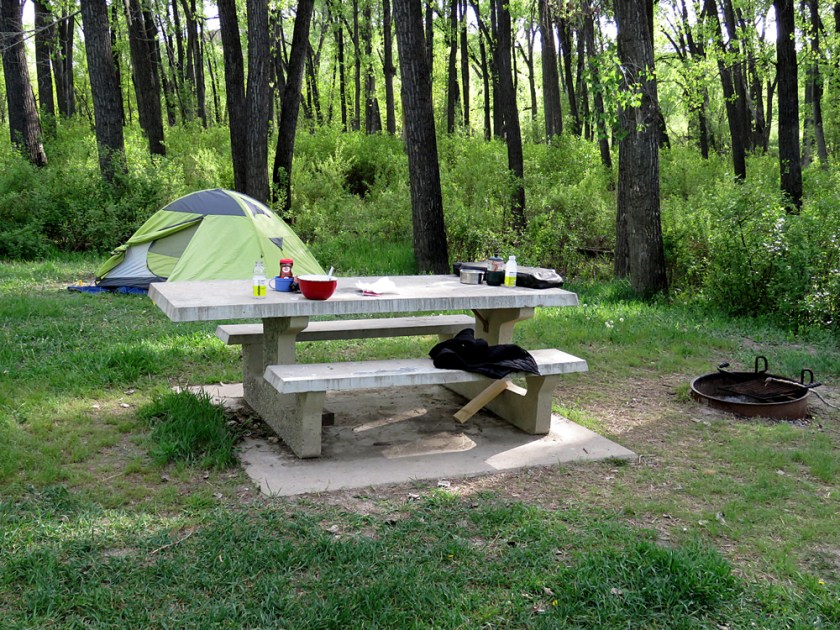
The campsite was surrounded by trees and full of birds, including a flock of goldfinches that hopped among the grass and picked dandelion seeds.


The campground paths were a good place to walk off hip stiffness caused by mannequin-like activity required for work. Whether I sit or stand, I am tethered to a keyboard and don’t move enough. I have a lot of meetings and a long commute. The stiffness wore off through the trip, but required attention and anti-inflammatory topical gel at first.
 My car also displayed the damage of regular life.
A few weeks before my departure, an inebriated young woman injured my car- though not me. With the addition of crash wrap and gorilla tape, my Subaru was fit to travel. We fit in just fine in a state with vehicles commonly held together with tape or baling twine.

- Doesn’t look bad from the back, and black gorilla tape blends in a little on the front.
Back at home, insurance investigations and legal actions were in motion. The activity caught up with me the next day on the final leg of my journey to the prairie.
As I traveled Dry Fork Road to American Prairie Reserve, my phone rang. I glanced at the number, wondering where those cell phone towers lurked. Since the area code was my own, I pulled over and answered the call. It wasn’t my neighbor with a sick horse call, though. I found myself talking to my county’s prosecuting attorney. He called to explain the restitution letter I had questions about. He let me know a subpoena to witness was in the mail, and a trial date was set. In a soft accent from somewhere else, he politely explained the process.
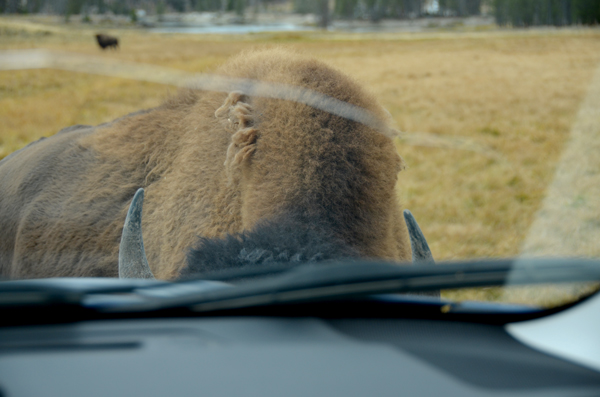
Parked on a road in open range country, my car attracted the attention of a fine-looking herd of cattle. They drifted closer and closer as we talked. Finally a drooling bull shoved his head into the window and bawled.

“Uh, I should probably explain where I’m at,” I said.
While the PA was apologetic for interrupting my vacation, I told him it was a good time to have that talk. I knew a trial could happen, just like it did when my mother died in pretty much the same circumstances. And I was going to a magical place where I could let the terrible irony roll off me.
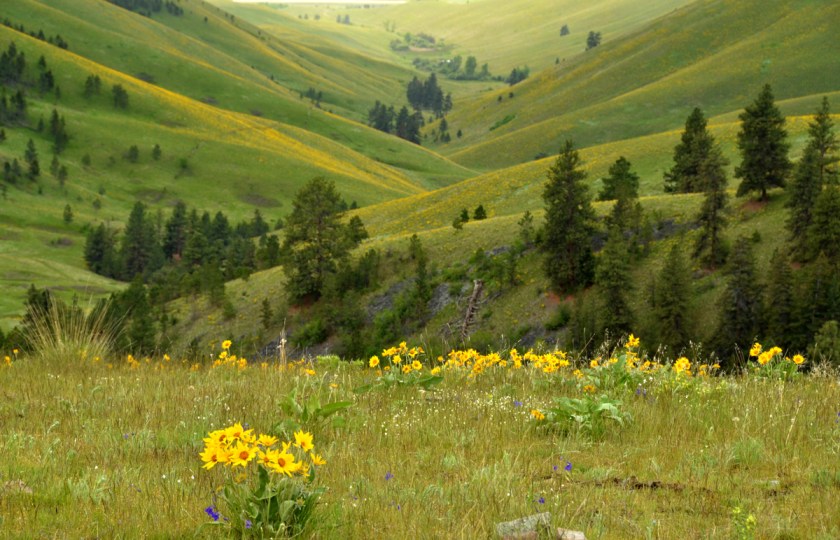
 In the end, he wished me a good vacation and I continued my journey to Buffalo Camp. I set up my tent and sat down for dinner, watching the sun set over rich barrens ripe for exploration.


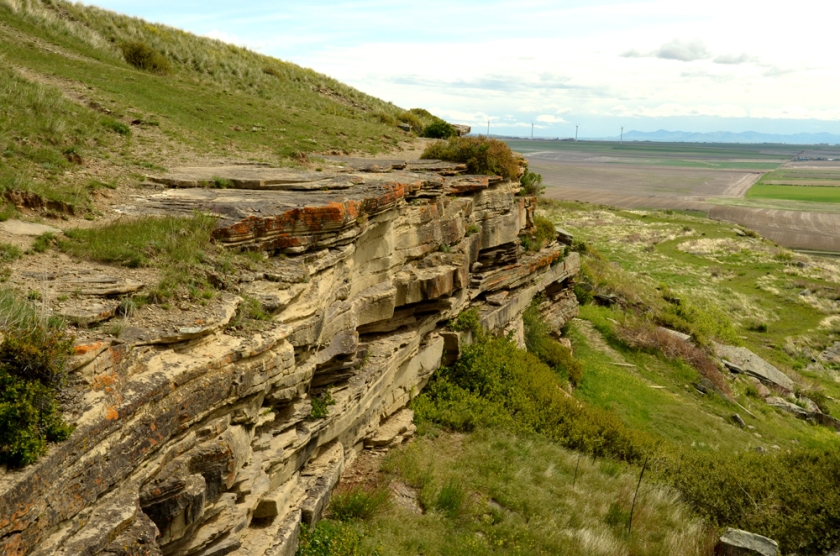


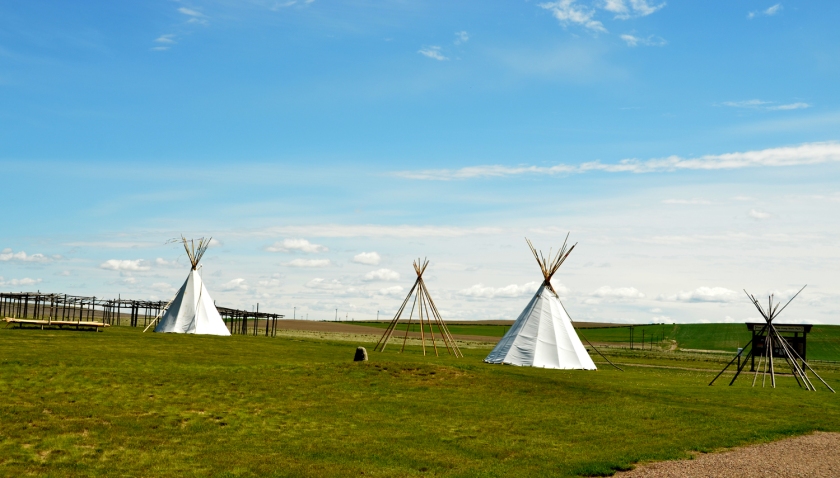


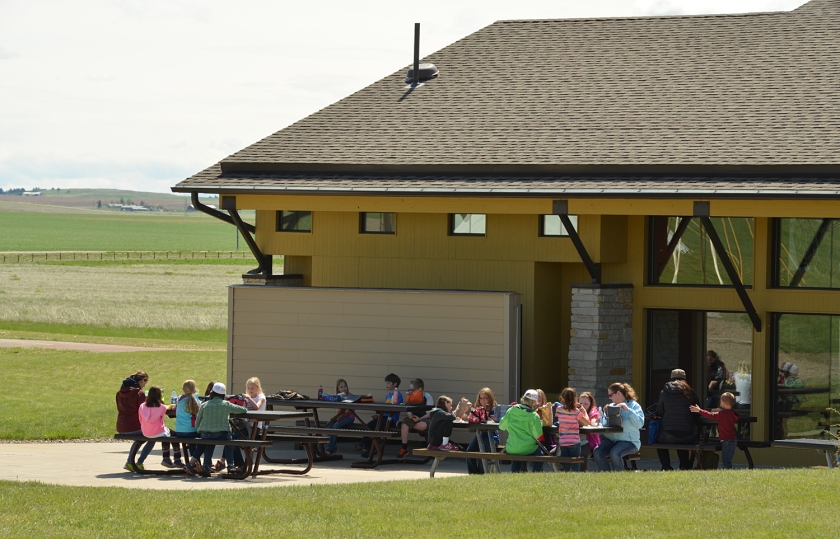
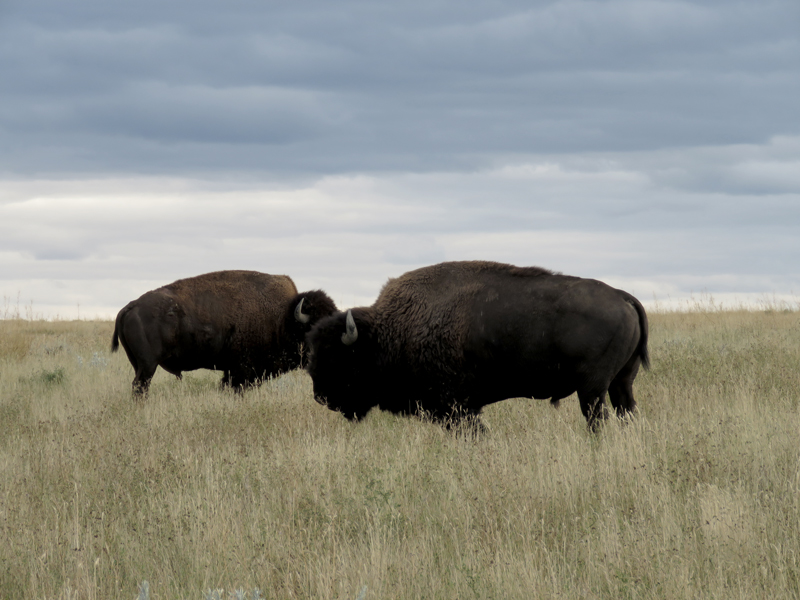
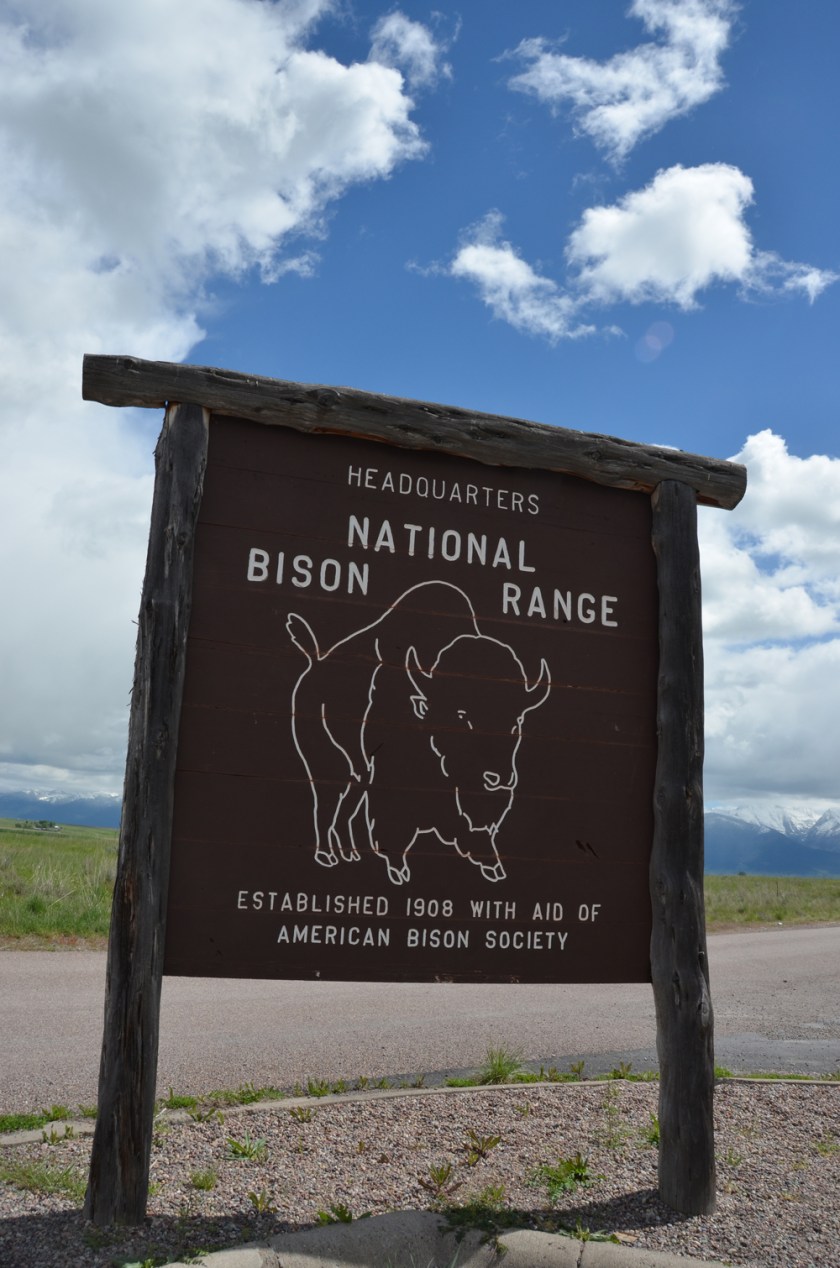 The 350 or so bison at this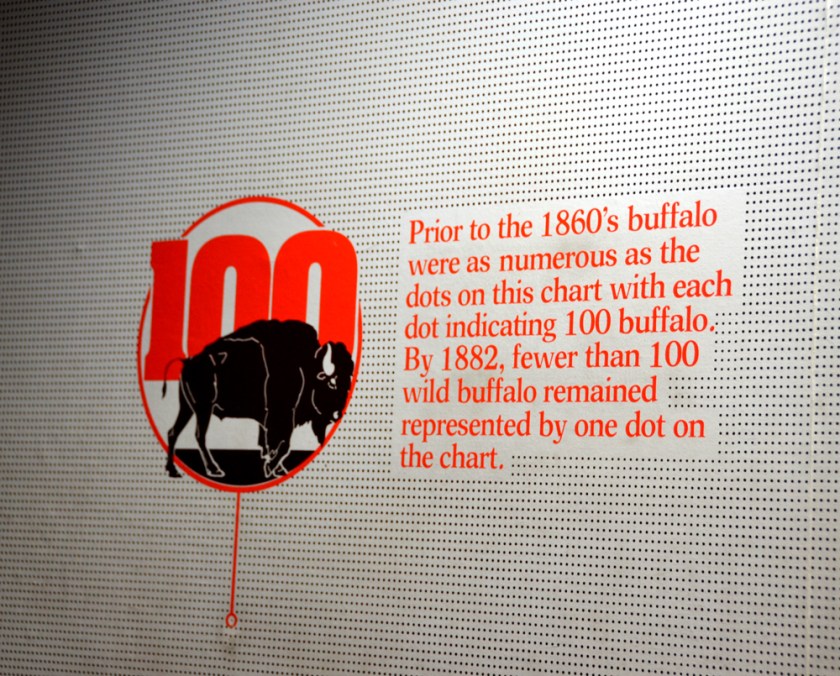


 The
The 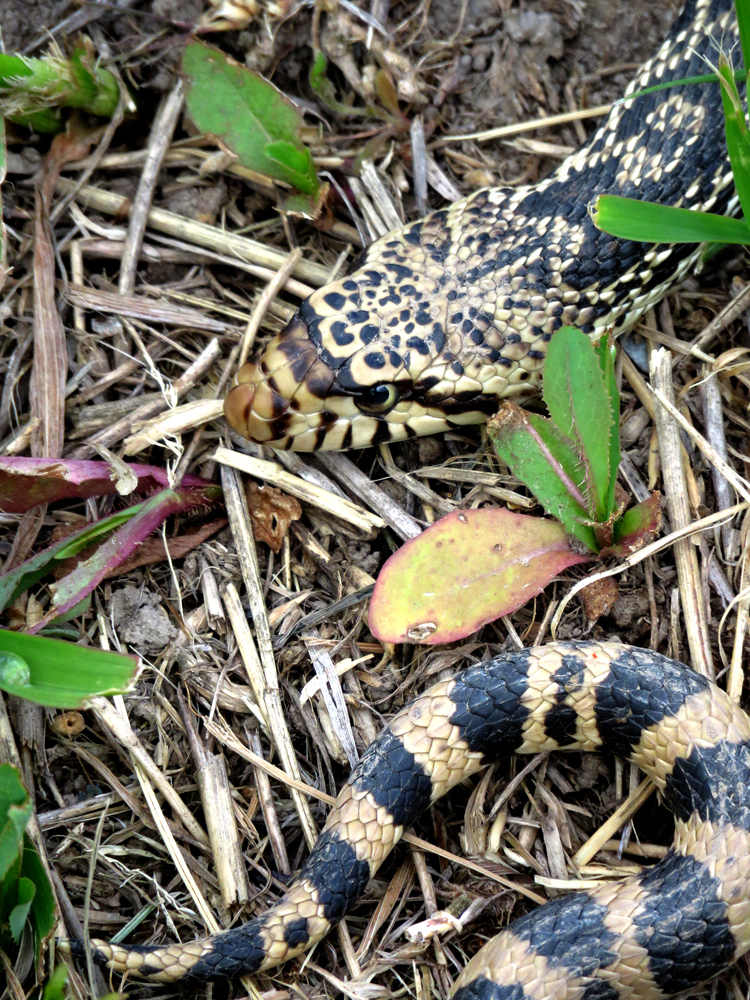





 September 2016- People would feel foolish standing on the deck of a boat looking out over the ocean and declaring that nothing could be living underneath the water simply because they couldn’t see it. Yet the same people drive past expansive grasslands and open country saying that “nothing’s out there” because they can’t see it.

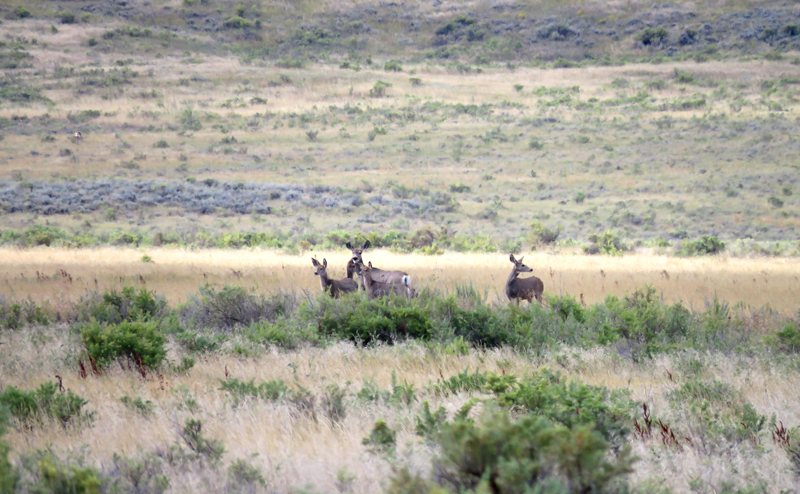
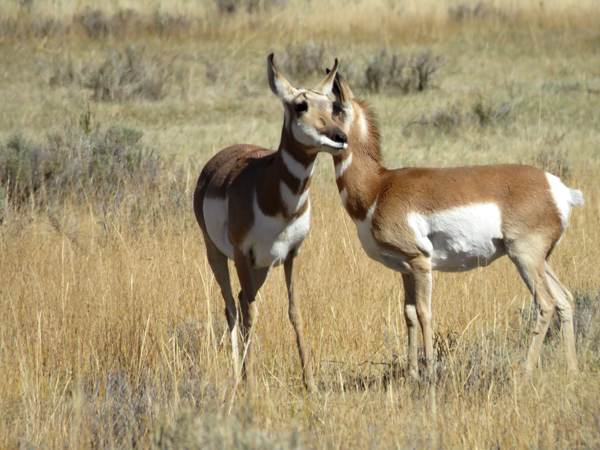
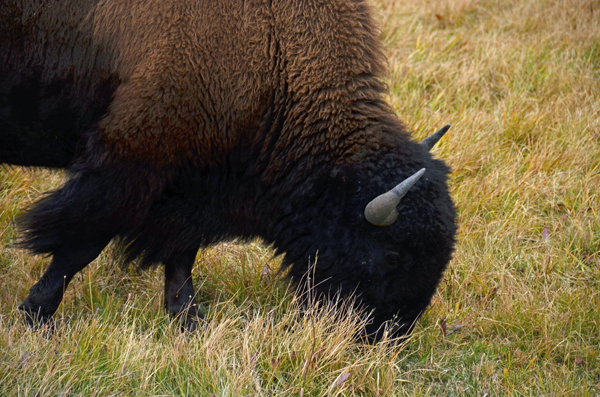
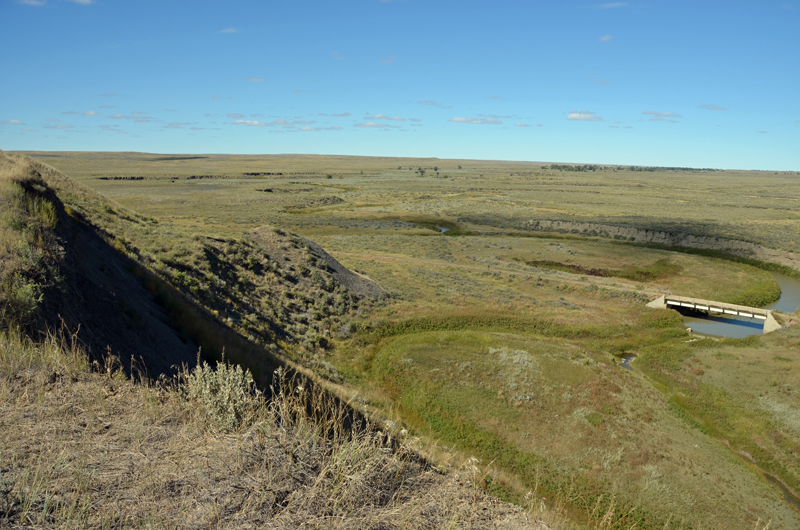

 On my trek to the jump, I found butterflies, prairie dogs, and of course, bison. I flushed upland birds (probably grouse), took pictures of tracks and scat, and put one foot in front of the other, mile after mile.








 When you live in the inner city of a massive city and your family is poor, the schoolroom is a place that will make or break your future. You have no more access to services and benefits of the developed world than a ranch kid living 100 miles from a town. You have no wealth, power or authority behind you. Your only hope for any kind of future is to get a good education and move upward and out.




 After speeding away to a special assignment that includes social media, my life and my blog have been left in a dust cloud, pressed flat in the gravel like dehydrated roadkill. I worked my old job and my new job for five weeks until my work got transferred. Days never really ended. I forgot things. I needed everything to slow down. I needed a break.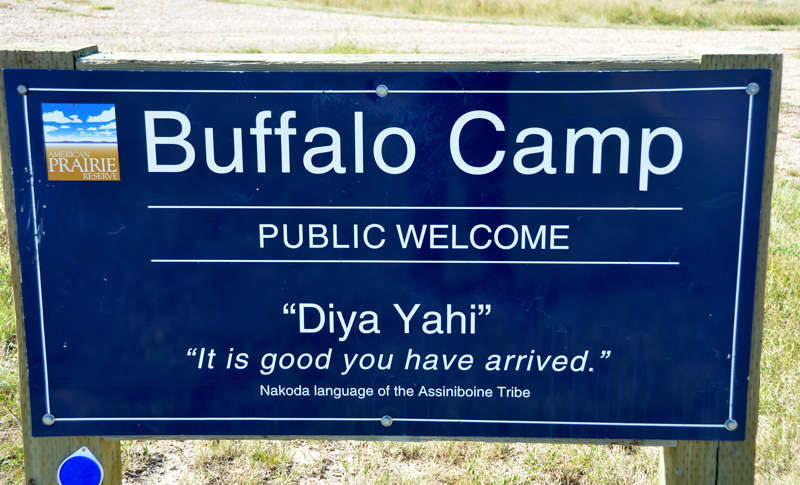


 Finally, after setting up my temporary abode, I could stretch my legs walking out to the prairie dog town across the creek. I could watch the prairie sunset and moonrise and curl up well-insulated in my sleeping bag, ready to start exploring the next day.


 Larkey Skip