 Remember when you first felt freedom? Whether freedom is frightening or thrilling, people usually have a “first freedom” story. We realized we get to make choices about our lives, vote, leave on a plane by ourselves for the first time, walk through the door on our own apartment or house.
I felt my first taste of footloose freedom in the wildlife areas of Eastern Washington. Hiking through LT Murray, I followed game trails and jeep roads past hunting camps empty since the previous fall. I camped where ever I wanted, not in a numbered, reserved site. This is nothing like Western Washington, where piles of branches cut off social paths, signs point the way, and you are reminded to stay on the trail-always!
To be fair, the impact of too many feet on wet ground is the reason for these restrictions. The dry side of the state has firmer ground and fewer lug sole boots treading the trail.
But confinement to a path creates a strange geometric mindset. You hike to a point and back, and hopefully the point has a view, a meadow, or a lake. If you’re lucky, you are on a loop so that you can go in a circle. Signs may point the way. Mountaineering gives some freedom, but you’re probably following a documented route, whether it’s drawn on a map or downloaded on a phone. There is little loneliness to be found: lines form on some hiking trails and volcano hikes.
You don’t just wander here.
So I felt like a refugee from a land of rules on my first trip to American Prairie Reserve. I waited to go there until there was an online reservation system to ensure a campsite. I made sure I had my America the Beautiful public lands pass for Charles Russell Wildlife Refuge.
And then I found out about public access in Montana. Campground full? There is dispersed camping on public lands, with a few guidelines to keep things clean for others. A ranger stopped to ask if I was okay when I was walking the road with a pack, not to check my pass. He thought maybe I left behind a car with a flat. He gave me his map and told me I didn’t have to walk the road and jeep tracks. If I wandered back in the hills, I could see lots of grouse, he said.
Montana felt like freedom writ large.
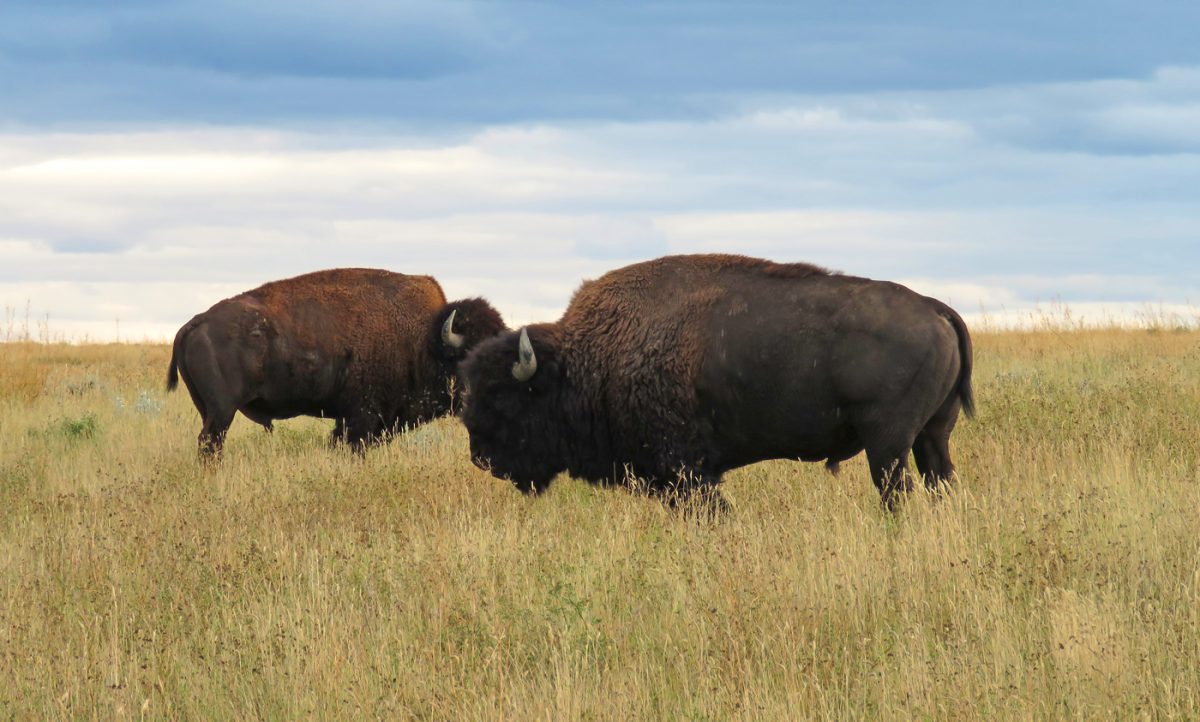
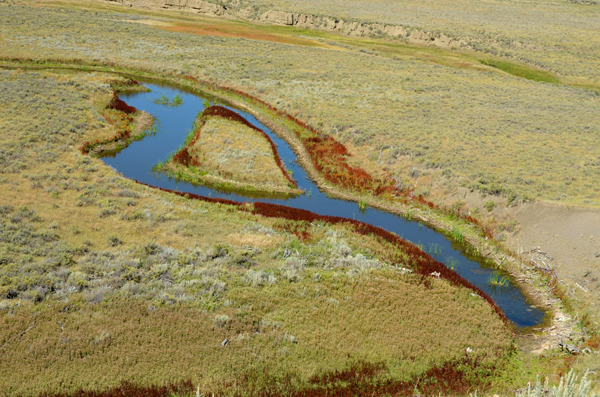
My first hike on Box Elder crossing was an exercise in removing training wheels. I stayed on the dirt two track for a way, then saw the smooth black face of a hill with golden grass catching the sun. Bison trails went that way. I followed their tracks across the creek and up the hill, and found another hill and another. A potpourri of rocks poked up from the dirt, inviting examination, sometimes on hands and kness. I sat on that hill and looked across the prairie landscape and realized I could keep wandering for days.
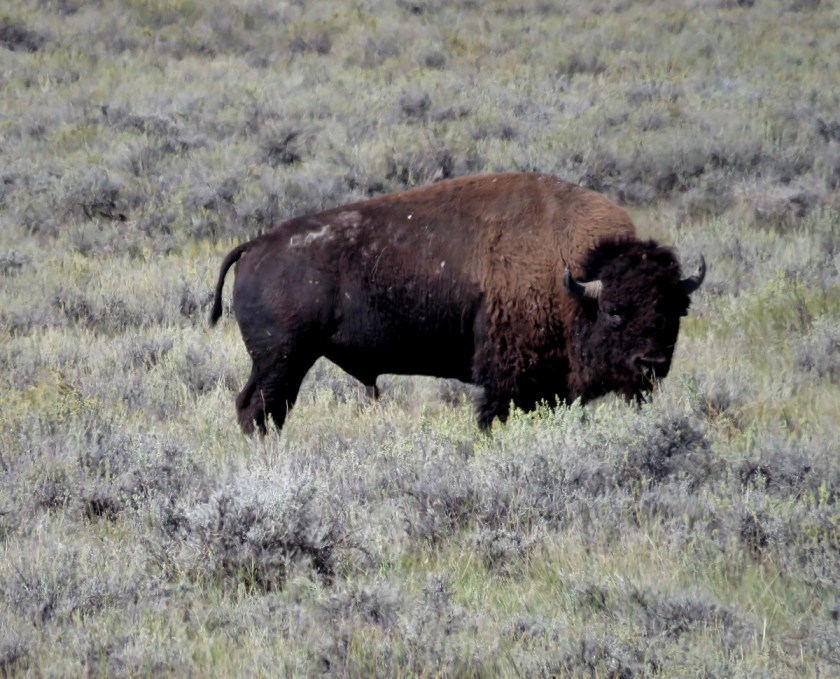
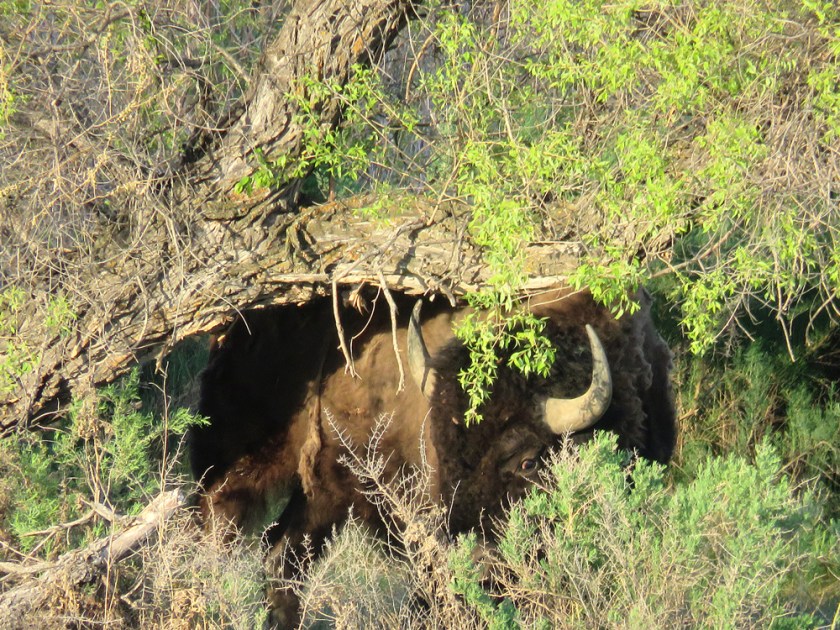
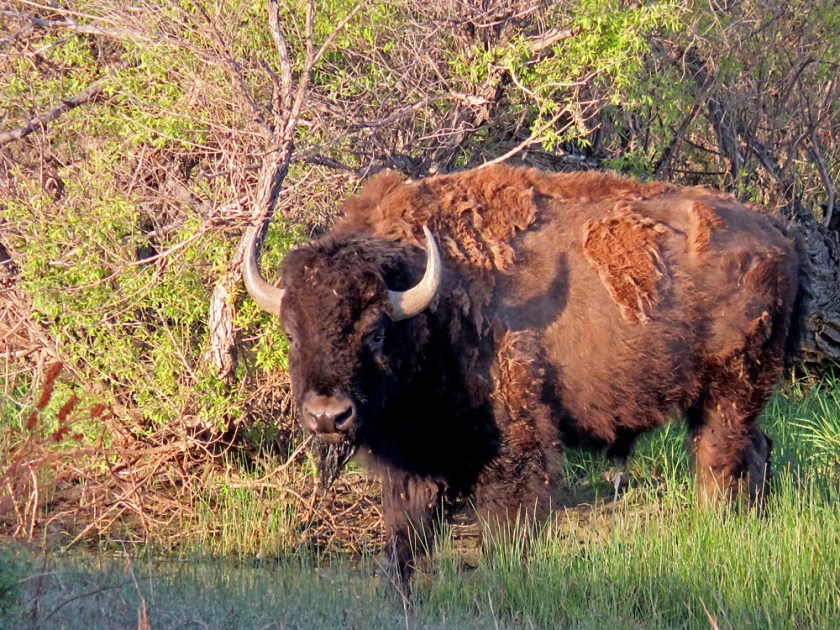
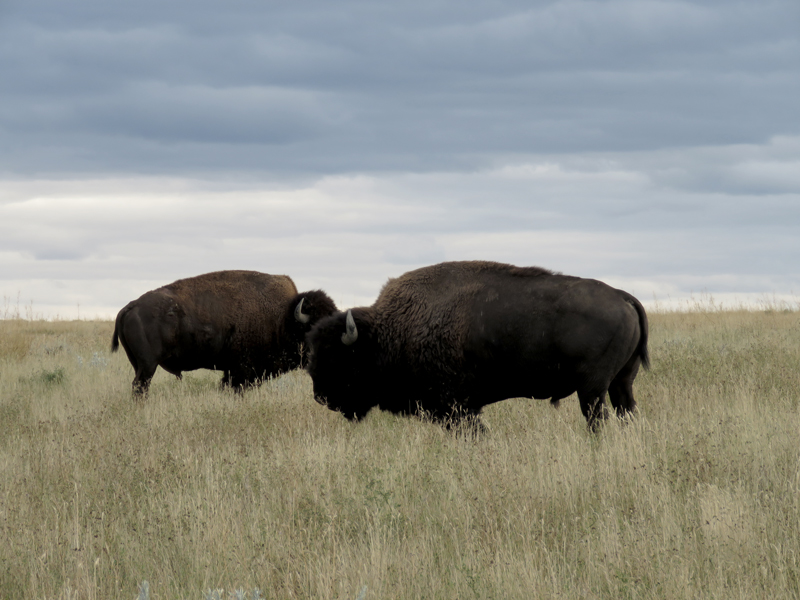
In May, I made three trips across Box Elder Creek, one to trek across to Reynolds Road, one to just wander, and another to field sketch. I followed bison trails and wandered off the jeep track. A couple snakes scolded me from the grass. I tiptoed around the bison bulls but couldn’t avoid scaring the cows. I found rocks and eggs and bugs. 
Later in my trip, I met a friendly birding couple in the coin laundromat at Malta. They told me their freedom story. They lived in Texas, and had just purchased a home that would be their last. Then they visited friends in Montana. When they realized how much freedom there is in Montana compared to Texas, they sold the house without ever having slept a night in it, moved to Missoula, and never turned back.
Sure, wandering around the prairie means you’re watching for snakes. Bad weather can sweep in when you’re out in the open. You need enough water because it doesn’t stream off the mountains like home. But you are free to roam, relax, and explore. When you live in a place like my home- or Texas, apparently, you remember that.

 Somehow I missed that stage in adulthood where people decide camping is too hard, and either stay in motels or travel in trailers with a compact semblance of home. I hit motels on long driving days, or when I need a shower and a real meal.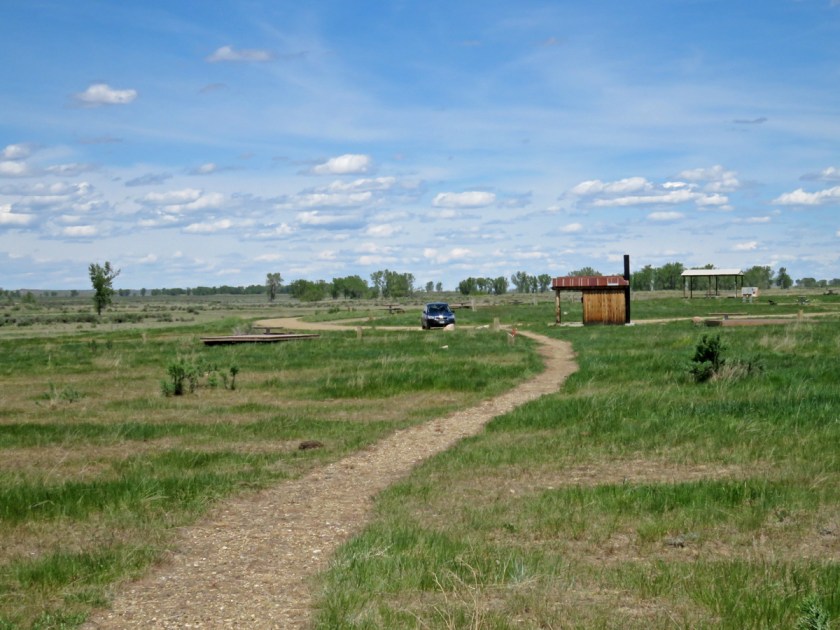


 Disasters aren’t disasters without images of people’s damaged belongings. After a flood, our screens scroll images of drowned livestock, crushed barns, mangled cars, crumpled roads and bridges. Earthquakes shear highways and splinter houses into junk piles with people trapped underneath. The awful feeling wouldn’t be there without us; it would just be an event.
 The speeding automobile smears the landscape into a monotonous panorama stretching for hours. We grow stiff from sitting and it seems endless. But speed did not create this impression of the prairie. Even settlers who rumbled along in wagons or on foot didn’t see the complexity of the landscape. There seem to be more books about hard life than prairie songs on the shelves.
 Innocence is the culprit, aided by fear. Powered by animal or fuel, we travel the prairie as if in a foreign land. It looks different from our homes. The sky looms larger, with a hundred-mile view of circling weather and no hint what it means to us. Cacti lurk on the ground and rattlesnakes in the sage. The prairie has a different rhythm that enchants the curious or unnerves the timid.
 Each journey to dry country fills my eyes with the richness of seemingly barren land. This trip is my first as an artist to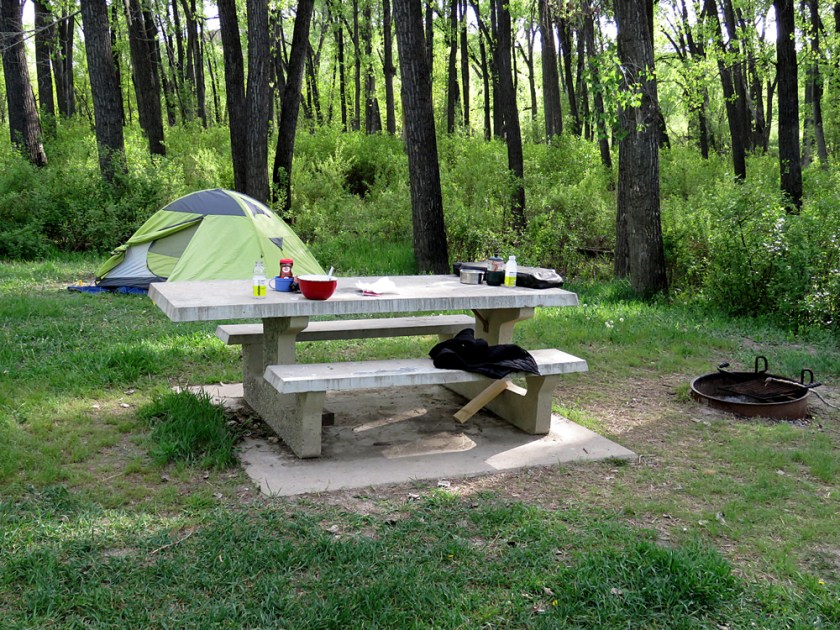


 My car also displayed the damage of regular life.

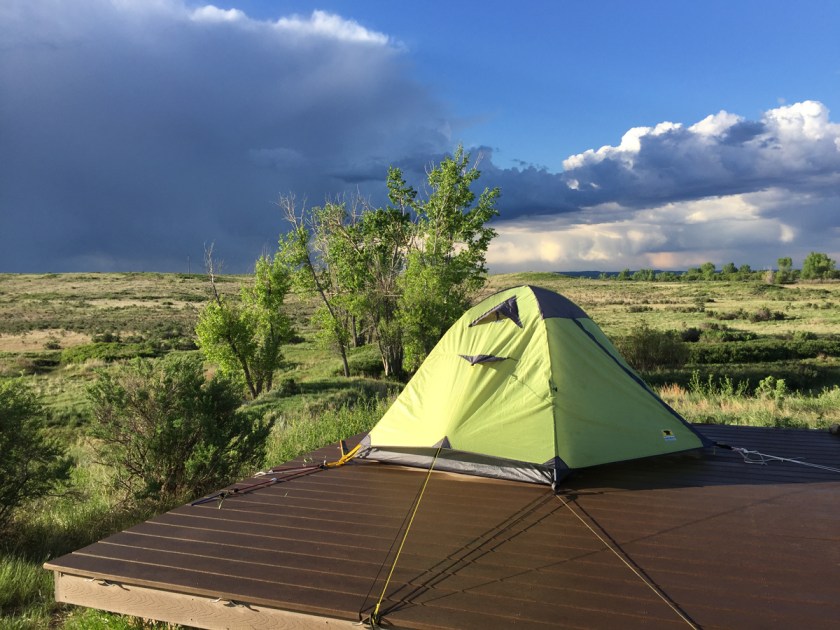
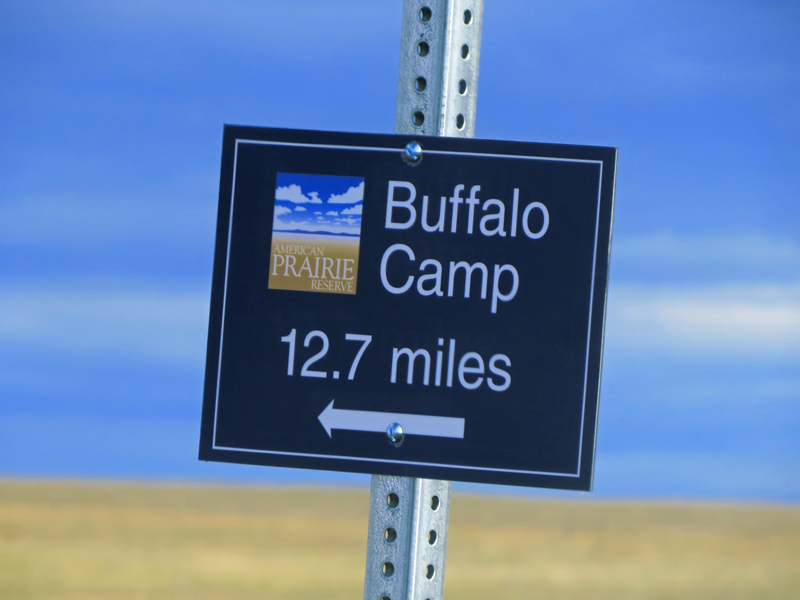 In the end, he wished me a good vacation and I continued my journey to Buffalo Camp. I set up my tent and sat down for dinner, watching the sun set over rich barrens ripe for exploration.

 September 2016- People would feel foolish standing on the deck of a boat looking out over the ocean and declaring that nothing could be living underneath the water simply because they couldn’t see it. Yet the same people drive past expansive grasslands and open country saying that “nothing’s out there” because they can’t see it.

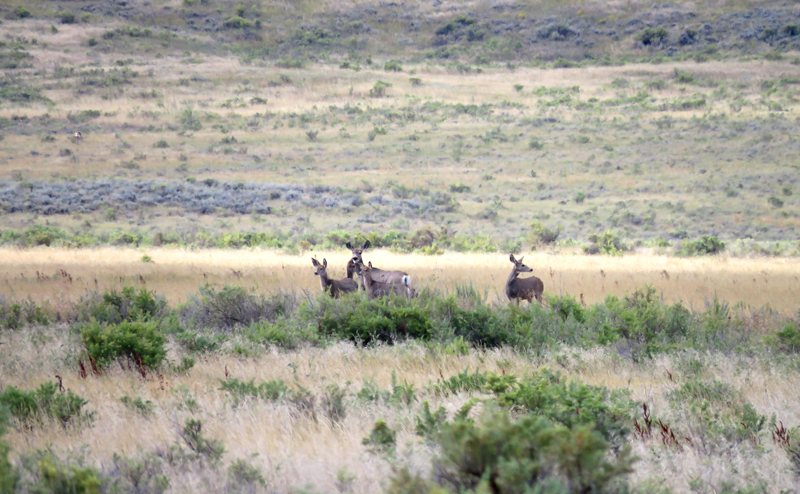
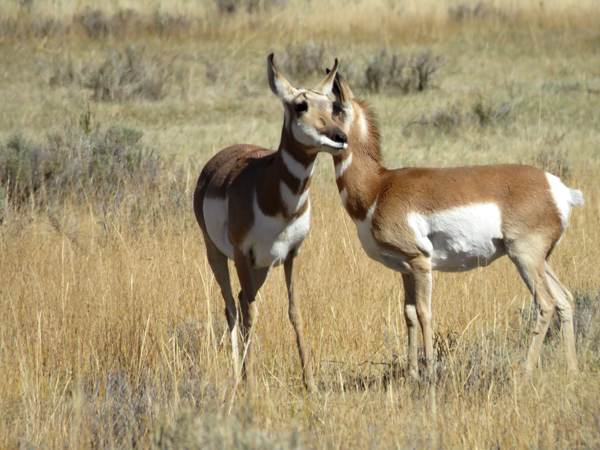
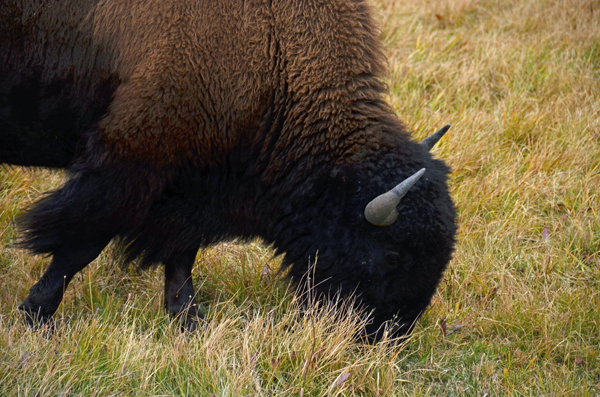
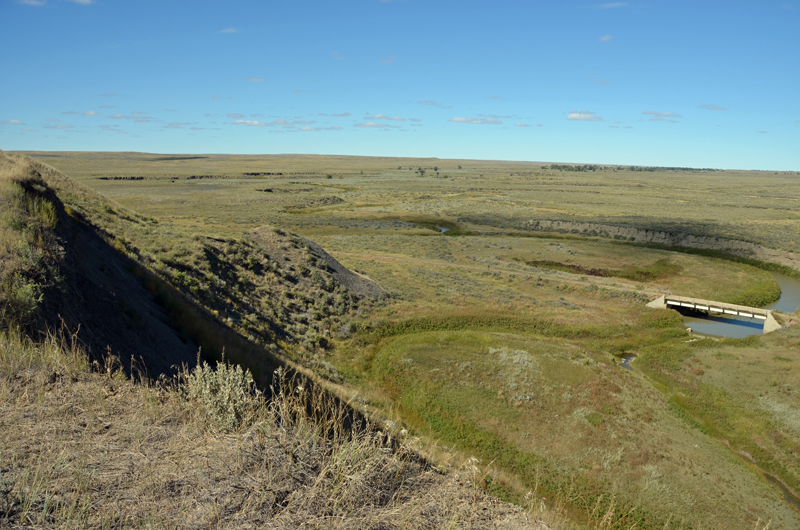

 On my trek to the jump, I found butterflies, prairie dogs, and of course, bison. I flushed upland birds (probably grouse), took pictures of tracks and scat, and put one foot in front of the other, mile after mile.






 When you live in the inner city of a massive city and your family is poor, the schoolroom is a place that will make or break your future. You have no more access to services and benefits of the developed world than a ranch kid living 100 miles from a town. You have no wealth, power or authority behind you. Your only hope for any kind of future is to get a good education and move upward and out.


 After speeding away to a special assignment that includes social media, my life and my blog have been left in a dust cloud, pressed flat in the gravel like dehydrated roadkill. I worked my old job and my new job for five weeks until my work got transferred. Days never really ended. I forgot things. I needed everything to slow down. I needed a break.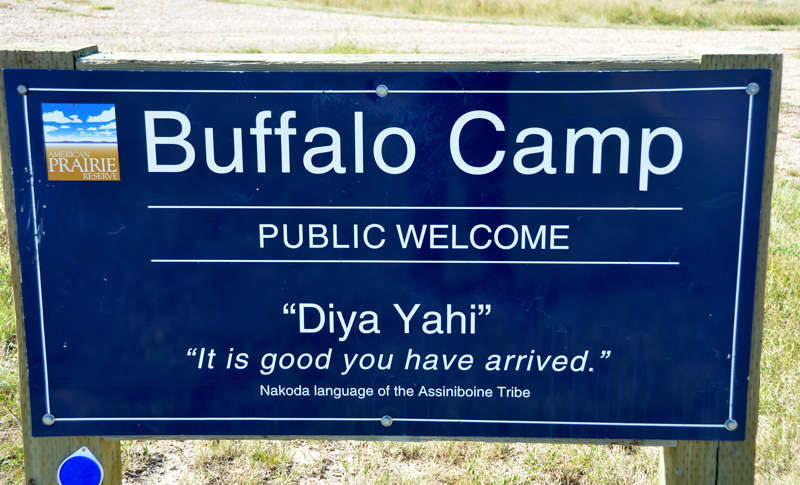


 Finally, after setting up my temporary abode, I could stretch my legs walking out to the prairie dog town across the creek. I could watch the prairie sunset and moonrise and curl up well-insulated in my sleeping bag, ready to start exploring the next day.


 Larkey Skip